Investiţii pentru viitorul dumneavoastră
Programul Operaţional Sectorial "Creşterea Competitivităţii Economice" Centrul Internațional de Cercetare și Educație în Tehnologii Inovativ Creative – CINETic
Proiect cofinaţat prin Fondul European de Dezvoltare Regională
The online casino ice casino is available to players in different languages. Payment of winnings received from bets is available only to the payment system, through which the bet was made. When requesting a withdrawal from the player may be required to undergo verification for the safe withdrawal of funds.
The best online ice casino casino for betting. The casino provides its players with a large choice on betting on various events. Players can follow the latest news of events, on the official website of the online casino. Also, the player will get a bonus for the first bet.
Legal online casino ice casino for betting on sporting events. When selecting the casino, the player gets a bonus and then can already choose the event to bet on. The online casino received high ratings on all selections: people's rating, reliability rating, odds, betting selection and cybersports betting rating.
Online casino betano with real bets on sporting events. For the convenience of its players, the casino provides access not only on the official website, but also in the mobile application. Gamblers can bet on their favorite sport, and watch the results in real time around the clock.
Legal betano online casino with sports betting. At the casino, players can go through a quick registration, get bonuses and promotional offers. Choose their favorite sport and make a bet. Withdrawal is available through the same payment system as the sports bet was made.
Primary Research Directions, Objectives and Priorities
Theatre and Performing Arts, Film and Media – fundamental and applied research on the history, pedagogy, aesthetics, theory, and practice of performing arts, theatre, film, and media.
Arts for society, well-being and accessibility – exploring the role of the arts in education, social inclusion, community development, mental health, and art-based therapies.
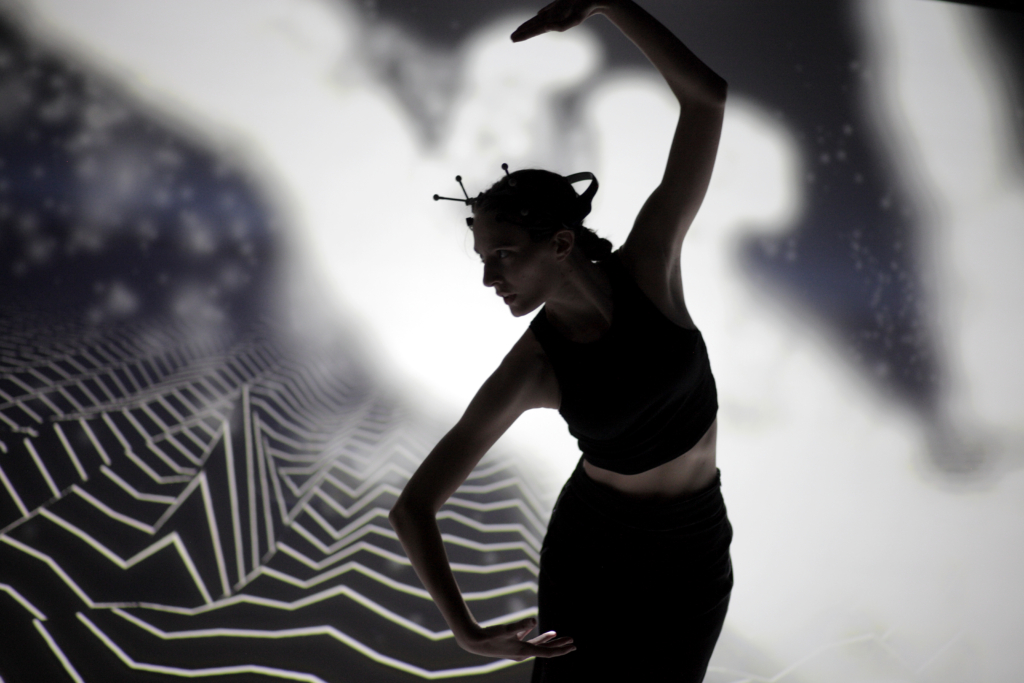
Innovative and transdisciplinary research – integrating emerging technologies (artificial intelligence, virtual and augmented reality, interactive media, XR, immersive environments) into performing arts and cinematography, as well as developing specific methodologies for artistic research as a form of knowledge production.
Secondary Research Directions
1. Theatre and Performing Arts, Film and Media – pedagogy, history, production
Fundamental knowledge of theatre, performing arts, cinematography, and media
Theory, history, and critical studies in theatre, performing arts, film, and media
Pedagogical strategies for teaching theatre, film, and media
Screenwriting, narrativity, transmedia, and interactivity
Animation, interactivity, and digital storytelling
Role-playing, puppetry, marionettes, avatars, and embodied representations
Lighting and sound design for theatre, performing arts, film, and media
Movement studies, voice, and acting techniques
Artistic ecosystems: entrepreneurship, production, and management
Physical and digital archiving in arts and culture
2. Arts for society, well-being and accessibility
Accessibility in the arts and inclusive creative practices
Art for vulnerable populations
Emotional and cognitive enhancement through multisensory experiences, art, games, and immersive environments
Development of psychotherapeutic tools using virtual environments
Experimental research in experiential and art-based psychotherapies using objective measurements
Brain imaging studies on neural mechanisms involved in theatrical and cinematic experiences
Development of tools and methodologies to evaluate the psychophysiological impact of immersive, theatrical, and cinematic experiences
Interdisciplinary research at the intersection of theatre, film, psychology, neuroscience, and related fields
Sustainable practices, community development through art, and ecological arts
3. Innovative and transdisciplinary research
Artistic research as a means of advancing knowledge
Ethical use and critical evaluation of artificial intelligence in the arts
Artificial intelligence and deep learning for artistic creation
3D, XR, and other innovative digital media
New tools and methodologies for artistic creation
Games, ludology, and interactivity as fields of artistic research
Automation and algorithmic processes in the arts
Development of brain–computer interfaces for creative applications
Creative practices and research in image generation and production
CINETic Research Directions
Development of a production methodology for virtual set design
Studies on and evaluations of animations in different environments, on both real and virtual media
Research on sensory motion capture
Generation of content by manipulating data obtained through sensors
Studies and applications regarding the use of robotics in the performing arts
Qualitative research of the impact on the spectators through biometric measurements
Biometric and neuro-cognitive research on the processes specific to the performing arts, with a special focus on the emotional processes, specialization through corporal learning and the specific processes of creativity
EEG emotion recognition systems
Research on applications of BCI interaction systems (brain-machine interface)
Qualitative research of light sources and optical sensors
Research of the sound-light midi interaction
Studies and applications on the interaction based on motion-sound-light sensors
Practical applications of research results
Interactive installations
3D modeling and animation
Brain-computer interface
Digital games – strategy programs
Applications for mobile devices (smartphones, tablets)
Digital images and projections on different media
Performances in public spaces with major social impact
Therapy through various visual vorms (static and dynamic, including 3D)